November 16, 2026
How Older Adults Can Stay Mobile and Independent After Stopping Driving
By @goldendaysliving
Giving up driving can feel like losing a key piece of freedom. For many older adults, the car has been a gateway to work, friends, errands, and appointments for decades. When that door closes, the question becomes: how do I keep moving, stay connected, and maintain my independence? The answer is not about replacing the car with one perfect solution. It is about building a flexible set of options that fit your life, your budget, and your changing needs.
This guide walks through the practical steps to create a personal mobility plan. Each step builds on the previous one, helping you think through what matters, what is available, and what to watch out for along the way.
Step 1: Assess What You Really Need to Get To
Before you look up bus routes or call a ride service, start with a simple list. Write down every regular trip you made by car over the past few months. Group them by importance and frequency. Medical appointments, grocery shopping, and prescription pickups are high-priority. Visits with family, social groups, and religious services might be next. Errands like the post office or bank may be occasional but still essential.
Be honest about time of day and distance. A 7 a.m. doctor appointment 20 miles away is a different problem than a 2 p.m. trip to the local pharmacy. Note any mobility limitations you face. If you use a walker or need transfer assistance, that will narrow the options that work for you. If you have trouble with stairs, a bus or van that requires climbing steps might not be practical.
What to watch out for: Do not assume that a trip is too small or too close to worry about. Short, frequent trips are often the hardest to replace because they do not fit neatly into a scheduled service. Also, be aware that your needs may change over time. What works this month might not work next year. Revisit your list every few months.
Homechoice Network Inc is also on Facebook.
Step 2: Explore Community and Public Transportation Options
Most towns and counties offer some form of public or senior transportation. These can range from fixed-route buses to door-to-door van services designed for older adults and people with disabilities. Call your local Area Agency on Aging or the county transit authority to find out what is available in your area. Ask about eligibility, scheduling, fares, and whether they provide transfer assistance if you need help getting from your front door to the vehicle.

Some communities have volunteer driver programs. These are often run by senior centers, religious organizations, or nonprofit groups. Volunteers use their own cars to take residents to medical appointments, the grocery store, or other essential errands. The service is usually low-cost or free, but it may require advance notice and have limited hours.
What to watch out for: Not all public transportation is accessible. Ask specific questions. Does the vehicle have a ramp or lift? Can the driver help you with packages or a walker? How much notice is required for a reservation? Is there a limit on how many trips you can book per week? Also, check whether the service operates in the evenings or on weekends, when many medical and social needs arise.
Step 3: Look Into Ride-Hailing and Private Ride Services
Ride-hailing apps like Uber and Lyft can be a good option for people who are comfortable with a smartphone and do not require much assistance. Some services also offer a phone-based booking line for those who do not use apps. For older adults who need more help, there are specialized private ride services that focus on senior transportation. These often employ trained drivers who can provide transfer assistance, help with packages, and wait at appointments.
A few things to consider. Cost can add up quickly if you are taking several trips per week. Some services accept long-term care insurance or Medicaid for transportation, but the rules vary. If you have a Medicare Advantage plan, it may include a certain number of rides per year for medical visits. Check your plan's benefits.
What to watch out for: Reliability is a big factor. A ride-hailing app might not have a car available when you need one, especially in less populated areas or at odd hours. Private senior transportation services may require booking days in advance and may not cover last-minute needs. Always have a backup option. Also, if you rely on a smartphone app, make sure you or a family member can troubleshoot basic problems like a dead battery or a lost internet connection.
Step 4: Lean on Family, Friends, and Neighbors, But Do It Right
Many older adults feel awkward asking for rides from people they know. The key is to make it easy for the other person and to keep the relationship balanced. Instead of saying "Can you drive me to the store?" try "I am going to the grocery store on Thursday morning. If you are heading that way, I would love to ride along and buy your gas." Offering to pay for fuel or a coffee keeps things fair and shows respect for their time.
Create a small network rather than relying on one person. That way, if one friend is busy or unwell, you have someone else to call. Keep a list of three or four people who have said they are willing to help. Rotate your requests so no one feels burdened.
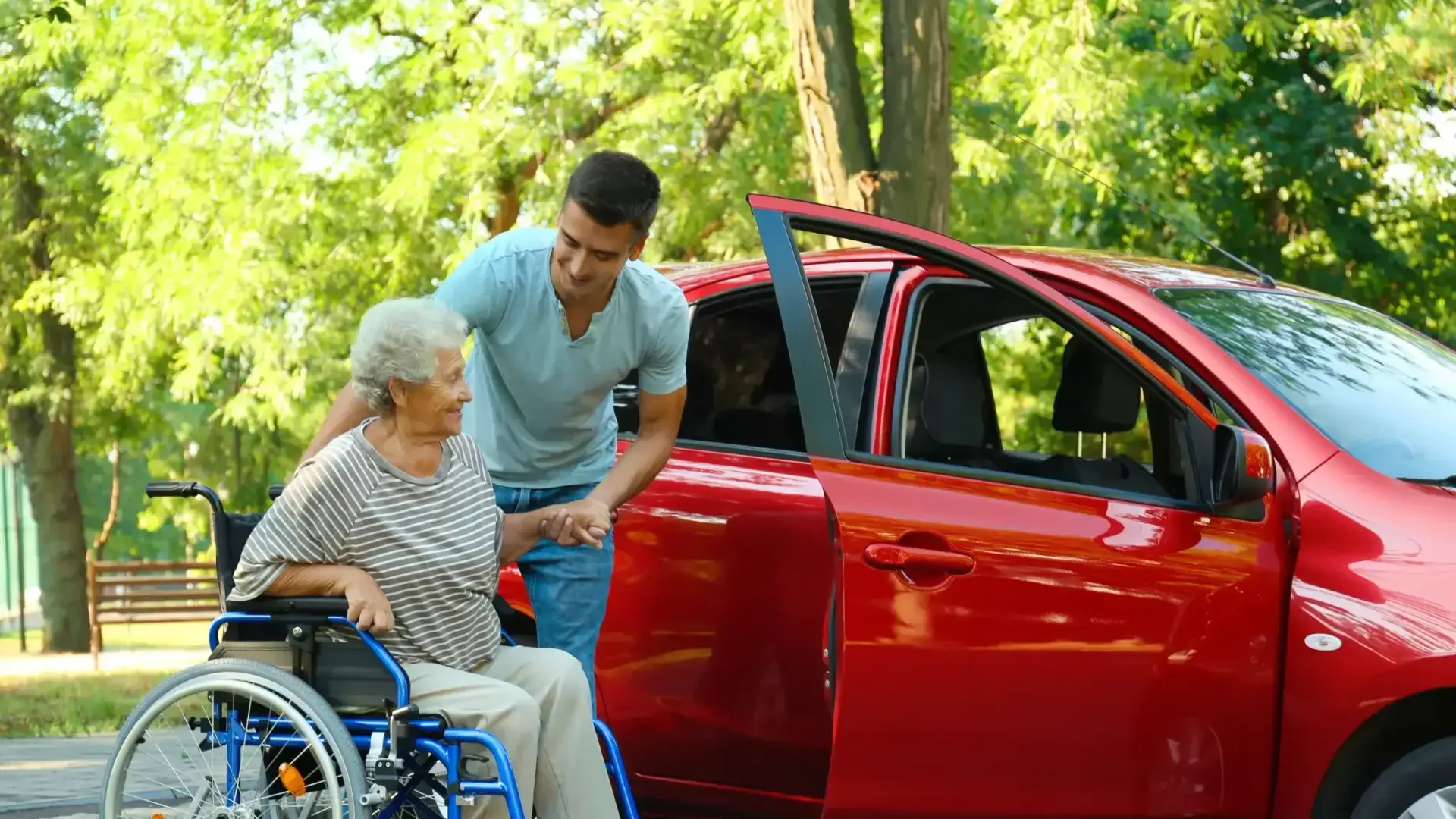
What to watch out for: Be clear about timing and expectations. If you need to be at a doctor's office at 9 a.m., say so. Do not assume the driver knows you want to arrive early or that you need help getting inside. If you use a walker or need transfer assistance, tell them in advance. Also, be prepared for cancellations. Always have a backup plan, even if it means rescheduling a non-urgent trip.
Step 5: Use Medical and Social Services That Provide Transportation
Many hospitals, clinics, and senior centers offer their own transportation for patients or members. Some medical facilities have shuttle services for scheduled appointments. Senior centers often run group trips to the grocery store, the pharmacy, or the mall. These are usually low-cost or free and are designed for people who no longer drive.
If you are enrolled in a program like Meals on Wheels, check whether they offer transportation or can connect you to a local ride service. Similarly, if you have a care manager through an insurance plan or a home care agency, ask them about transportation benefits. They may know of programs you have not heard of.
What to watch out for: Group trips have a fixed schedule and a set destination. They are great for routine errands but less useful for a one-time appointment or an emergency. Also, some services require you to be a member of a specific senior center or to live in a certain zip code. Confirm eligibility before you plan your day around them.
Step 6: Plan Each Trip with a Safety Check
Once you have your options lined up, practice planning a trip from start to finish. Think about the whole journey: getting ready, waiting for the ride, the ride itself, the stop, and the return. Ask yourself: Do I have the phone number or app ready? Do I know where the driver will meet me? Do I have my medical insurance card, grocery list, or money? Am I dressed for the weather and for the activity?
For medical appointments, confirm your appointment schedule with the office a day ahead. Make sure the ride service knows the correct drop-off and pick-up location. If you need transfer assistance from the car to a wheelchair or into the building, arrange that in advance. Do not assume the driver or the office staff will provide it without being asked.

What to watch out for: Rushing is the biggest risk. Give yourself extra time, especially for the first few trips with a new service. If you are using an accessible vehicle, make sure the driver knows you need the ramp or lift before they arrive. Also, keep a small emergency card in your pocket or bag with your name, emergency contact, and any medical conditions. That can be a lifesaver if something goes wrong during the ride.
Putting It All Together
Staying mobile after you stop driving is not about finding one perfect ride. It is about having a mix of options so you can handle different trips on different days. Start with the highest-priority needs and build from there. Talk to family, friends, and local agencies. Try a service for a short, low-stakes trip before you rely on it for a medical appointment. And revisit your plan as your health, your schedule, and your community change.
If you or a loved one is looking for help coordinating care and transportation, Homechoice Network Inc, located at 260 Magnolia Square Ct, Aberdeen, NC 28315, USA, can be reached at +1 910-944-1116 to discuss available options.
❧